Workshops avec Matthew Sweeney
11 au 16 septembre 2026
Osmose Yoga Paris
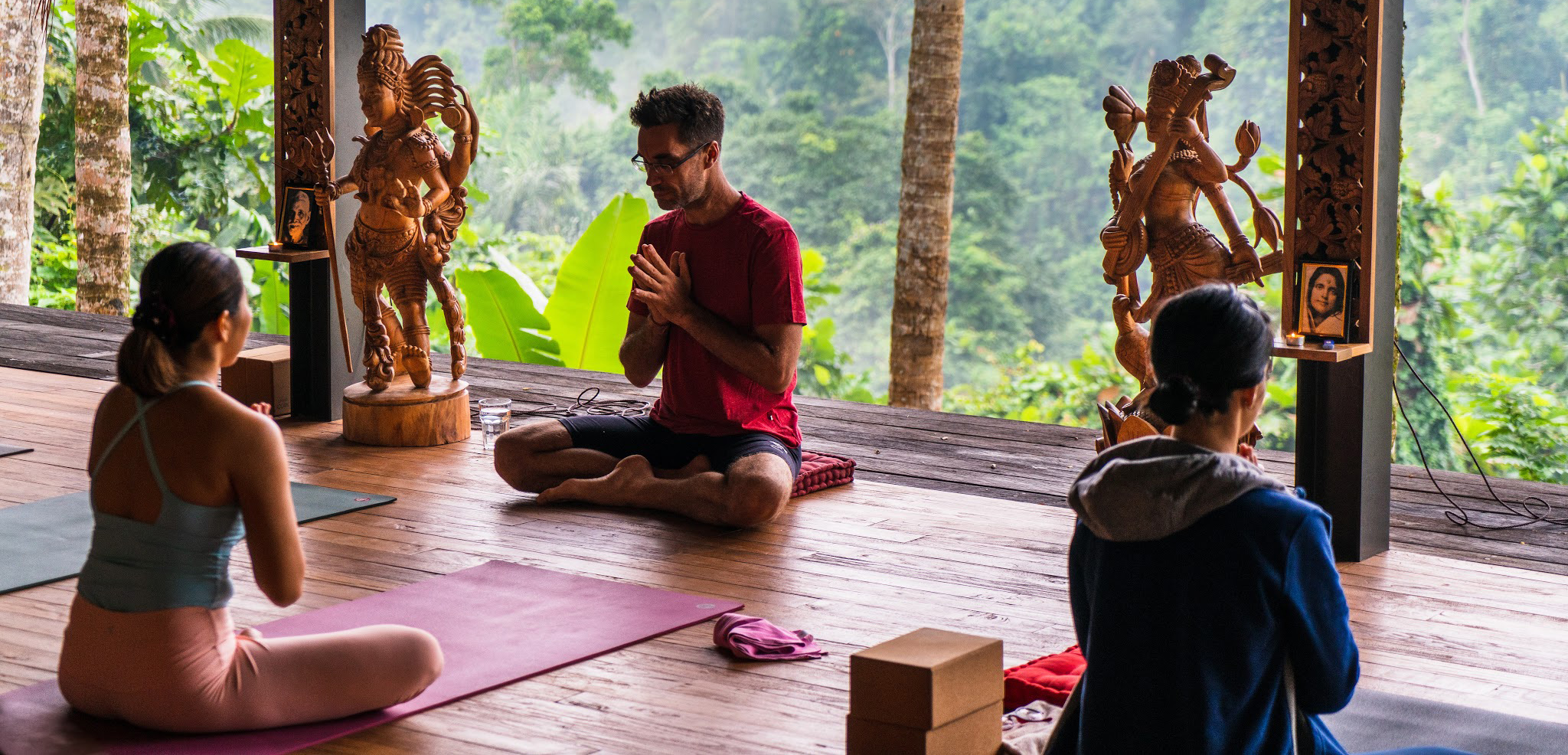
Le centre Osmose Yoga Paris a le privilège d’accueillir Matthew SWEENEY du 11 au 16 septembre à
Paris.
Matthew SWEENEY a créé le VINYASA KRAMA qui signifie « mouvement par étapes ». C’est
une pratique adaptée à chaque individu qui prend tout son sens dans la « self-practice »,
pratique en autonomie guidée par l’enseignant. Il existe trois séquences fondamentales pour le vinyasa krama mandiram : chandra krama, atapa krama et simha krama.
Voici le programme du stage :
* Weekend Workshop – Vendredi 11, samedi 12 et dimanche 13 septembre 2026
> 5 sessions
– Vendredi 18:00 – 21:00 : Moon Sequence
– Samedi 09:00 – 12:00 : Sunshine Sequence
– Samedi 14:00 – 16:00 : Pranayama
– Dimanche 09:00 – 12:00 : Lion Sequence
– Dimanche 14:00 – 17:00 : Pranayama
* Sessions du matin – Lundi 14, mardi 15 et mercredi 16 septembre 2026
> 3 sessions
– Lundi 6:30 – 9:30 : Chandrodaya Krama
– Mardi 6:30 – 9:30 : Marjara Krama
– Mercredi 6:30 – 9:30 : Suryodaya Krama
* Tarifs du Worshop
– Worshop entier (weekend + semaine ) : 500 euros
– Worshop weekend : 380 euros
– Session à l’unité : 70 euros
A noter :
– La priorité est donnée aux personnes qui assistent à tout le stage
– Les sessions du matin (lundi, mardi et mercredi) font partie du stage entier, elles ne peuvent pas être prises séparément
– Les sessions à l’unité seront attribuées uniquement s’il reste des places et ne concernent que le stage du weekend
* Lieu du stage : Théâtre de la Danse / 77, rue de Charonne / 75 011 Paris
* Informations et inscription par mail : Gilles Ricou gilles.ricou@free.fr, copie : renan@osmose-yoga-paris.com
* Cancellation Policy
Cancellation within 2 months: 50% refund.
Cancellation within 1 month: no refund.
Cancellation with more than 3 months: full refund.
Join Vinyasa Krama Mandiram creator Matthew Sweeney for a six-day immersion into a yoga system that encompasses six unique sequences (Moon, Sunshine, Lion, Rising Moon, Lion Cub, and Rising Sun,) as well as pranayama and meditation.
Matthew has been practicing yoga since the 1990s and has thoroughly researched yoga techniques across Asia for more than 35 years – to design a scalable system that gives students autonomy in their self-practice. On days they feel strong, they might practice some (or all) of the challenging Sunshine sequence, and on days they need to take it a little easier, they might practice the slower, therapeutic Moon sequence.
Emphasis is placed on guided pranayama and meditation throughout.
Matthew started his yoga practice in the Sivananda Yoga lineage (1988) ` before establishing himself as an Ashtanga teacher, a Vinyasa teacher, and a Meditation teacher (he is the author of the seminal book Ashtanga Yoga: As It Is.)
This immersion is suitable for students have at least one year’s practice under their belt – either Ashtanga or Vinyasa Yoga. While you can book individual workshops, it is recommended that students attend the entire series of workshops. This will be all six days from Friday night to Wednesday morning, and attending every workshop will give you a rich and full understanding of the true scope of the first six sequences of VKM.
CHANDRA KRAMA WORKSHOP
THE MOON SEQUENCE
FRIDAY NIGHT 18:00 – 21:00
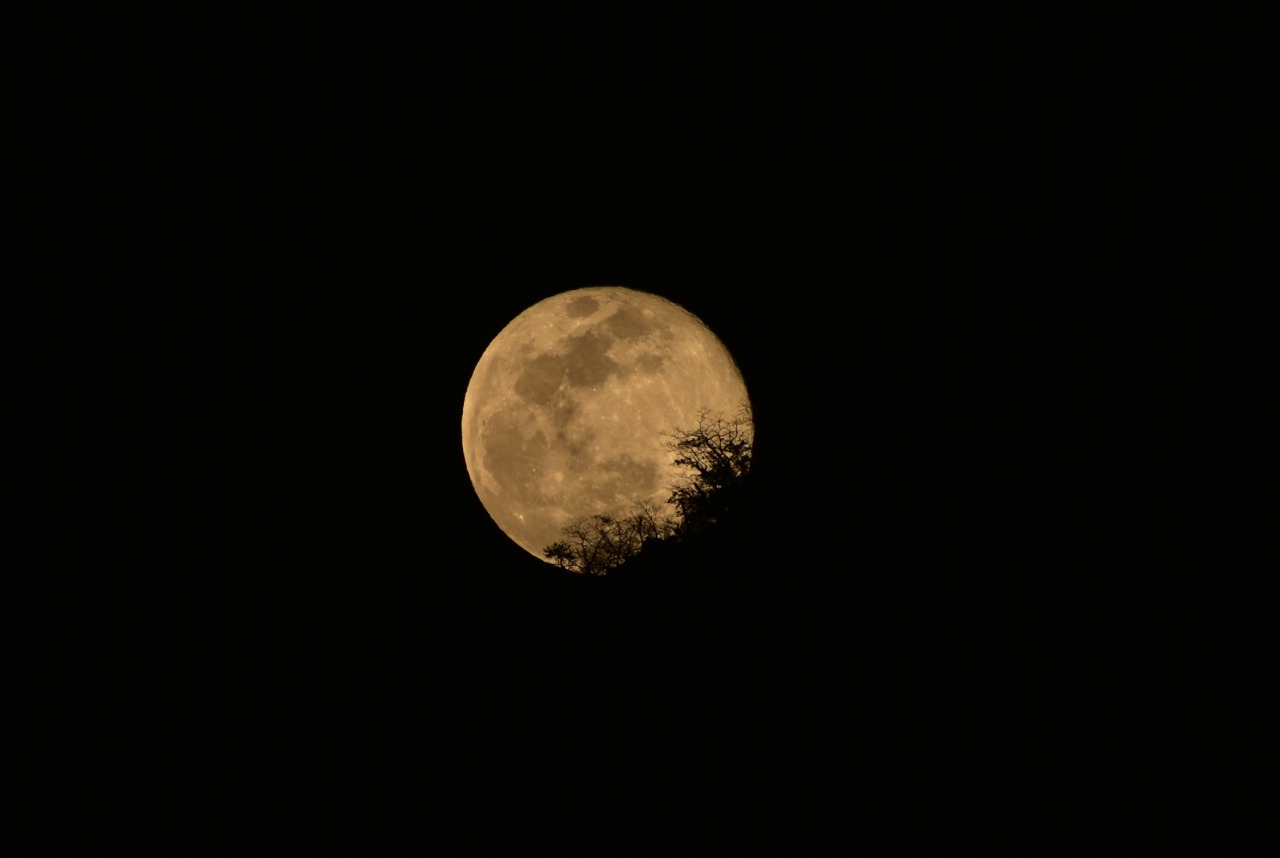
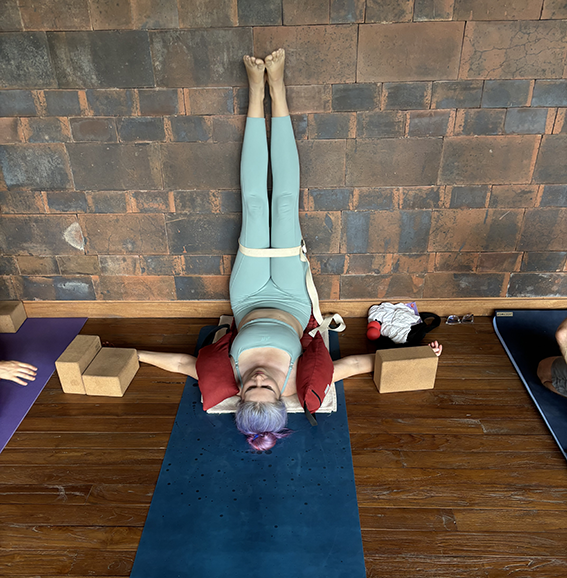
The Moon Sequence is a gentle, flowing form that combines Yin Yoga with Vinyasa. Chandra Krama was originally designed as a counterbalance to dynamic practices such as the Primary Series. Although it is intended as a support practice versus your main sequence, it also helps practitioners to balance all aspects of Yoga by applying some key universal principles: here and now awareness, letting go, balancing yin and yang (or Sattva), meditation, and a therapeutic and individual approach. To learn any further Vinyasa Krama, you must integrate some aspect of the Moon Sequence (whether the full sequence, parts of it, or even just the meditation) in order to move forward with a Yoga that is balanced.

ATAPA KRAMA WORKSHOP
THE SUNSHINE SEQUENCE
SATURDAY MORNING 9:00 – 12:00
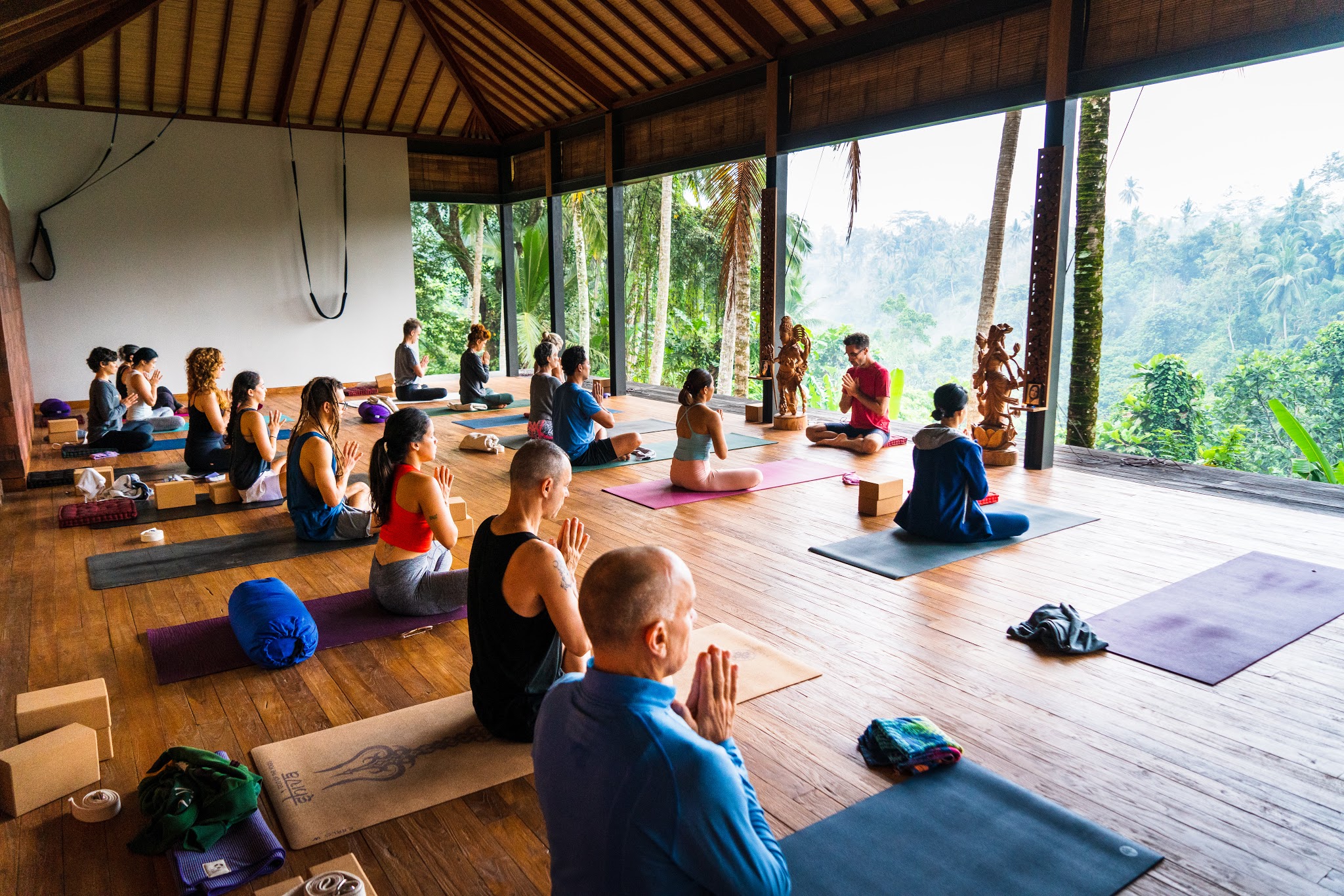
Modelled off the Primary Series, the Sunshine Sequence has a few significant differences: we do not emphasise the jump backs and throughs as much (although though this can be scaled up to suit some eager practitioners.) Some postures of the Primary Series that run a risk for injury have been scaled down, and greater variability has been adopted in the standing postures. Sitting postures include hip extension, some inward rotation, and balancing the four quadrants of the hips and legs. Finally, you’ll see a more gradual and scaled approach to back-bending that is accessible for all. You’ll also play with a combination of easy-to-apply, half drop-backs into the wall, and handstands on-the-wall for the adventurous. This sequence is more dynamic, so bring a towel!
PRANAYAMA 1
SATURDAY AFTERNOON 14:00 – 17:00
Ujjayi I and II both apply breathing with a mild restriction of the throat (very small sound) with greater ease, lightness and control. There is no force and loud Ujjayi is discouraged. The vocal-chords resonate, but are free of any real restriction. Learning to breathe while doing postures WITHOUT holding the breath, and WITHOUT any undue contraction of the ribs, diaphragm or abdominus (particularly mid-breath) is one of the most important tools of any system of yoga. Ujjayi II will help you to apply this.
If you are used to holding your breath, or have some idea about Bandha and holding your breath, please leave these ideas aside prior to these classes, and come with and open mind and open heart. You will learn a lot.
We will finalise this session with Visamavrtti, the first of our therapeutic (and separate-to-asana) Pranayama practices. This technique focuses on a slightly extended exhalation to encourage the mind, the body, and the nervous system to relax, or at least calm down to a more neutral, Sattvic state. Matthew will scale this for different students, so everyone can apply it comfortably.
SIMHA KRAMA WORKSHOP
THE LION SEQUENCE
SUNDAY MORNING 9:00 – 12:00
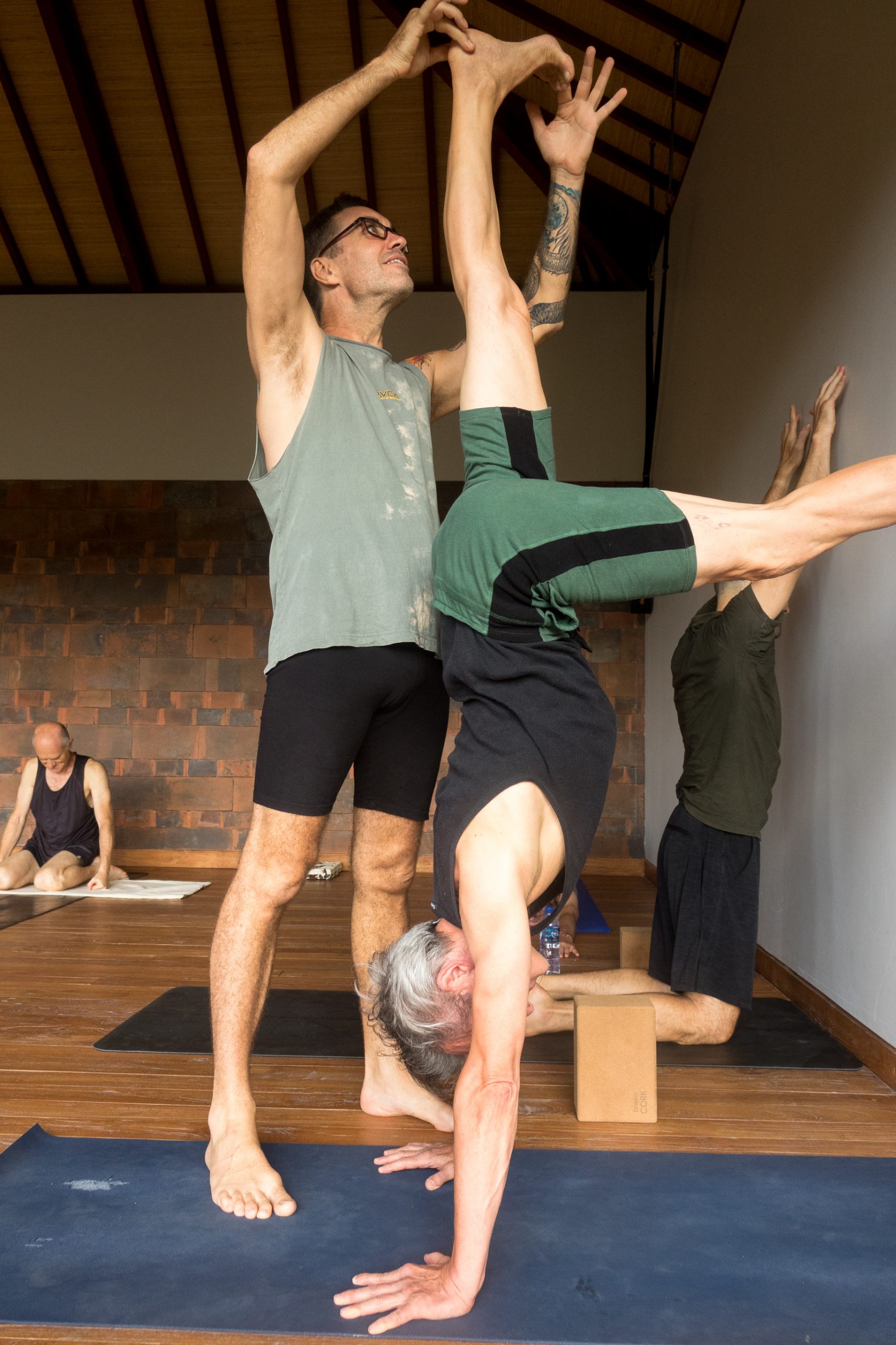
Lion Sequence is a practice that Matthew designed as an alternative to the Intermediate Series of Ashtanga Yoga but without the same difficulties, injuries, or roadblocks. Although it is nothing like the Second Series, it is an interesting comparison. The Lion Sequence has many variations you won’t normally find in other yoga classes. During this workshop, Mathew will encourage focus on alignment in the standing postures and with increased emphasis on leg strength, shoulder opening, hip opening and hip extension. You’ll also play with some inversions at the end. Come ready to roar and bring a sense of humour as well as your towel!
PRANAYAMA 1 WORKSHOP
SUNDAY AFTERNOON 14:00 – 17:00
We will revisit Ujjayi II to ensure all students can really grasp and implement the technique. For this reason, it is STRONGLY recommended students attend the first Pranayama workshop. Integrating Ujjayi II is not that simple or fast, so it takes multiple repetitions over the course of at least a year to really apply it – up to the point where you don’t have to think about it, and it becomes second nature.
The second technique in this class will be Viloma Pranayama. Applying soft pauses on the inhalation and experiencing directly how this integrates with contemplation and self-awareness. Viloma is fully compatible with Visamavrtti — just never on the same day — and takes us further into the realm of meditation. Matthew does not teach Pranayama as an arbitrary form of energy manipulation or to disrupt student’s nervous systems: such practices can be very dangerous. Rather, Matthew focuses on Pranayama that is practical, slow, gentle, and ultimately aimed at self-inquiry vs self-rearrangement. Matthew will begin and end this session discussing the philosophy behind these techniques, which is intimately tied to the overall philosophy of VKM: integrating the body-mind-self — Advaita Vedanta.
CHANDRODAYA KRAMA
RISING MOON
MONDAY MORNING 6:30 – 9:30
Modelled off the Primary Series, the Sunshine Sequence has a few significant differences: we do not emphasise the jump backs and throughs as much (although though this can be scaled up to suit some eager practitioners.) Some postures of the Primary Series that run a risk for injury have been scaled down, and greater variability has been adopted in the standing postures. Sitting postures include hip extension, some inward rotation, and balancing the four quadrants of the hips and legs. Finally, you’ll see a more gradual and scaled approach to back-bending that is accessible for all. You’ll also play with a combination of easy-to-apply, half drop-backs into the wall, and handstands on-the-wall for the adventurous. This sequence is more dynamic, so bring a towel!
MARJARA KRAMA
LION CUB
TUESDAY MORNING 6:30 – 9:30
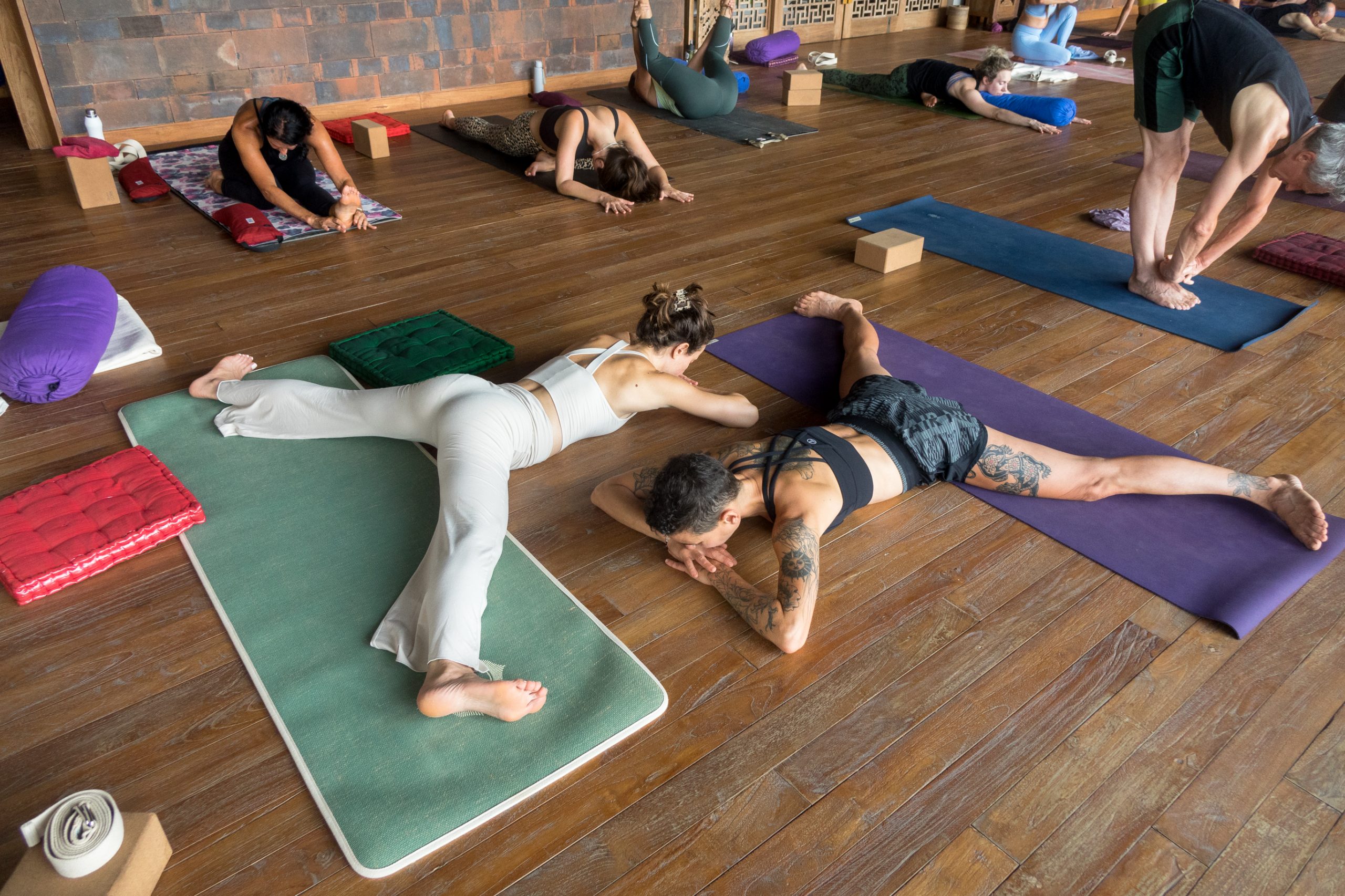
Originally designed as scaled down version of Lion Sequence more than 20 years ago, this sequence has changed significantly over the last two decades. Lion Cub is considered the most important sequence for all VK practitioners and teachers to learn. Lion Cub focuses on therapeutic style salutes, alignment, and use of the wall- space in standing postures. There are stabilising and strengthening postures for arms, legs, the side body, and hips – a gradual and supported approach to back-bending. Any postures that are difficult for students can be dropped in a self-practice setting. Matthew will encourage students to monitor themselves to avoid doing themselves mischief! Lion Cub is a very different sequence from anything students might have practiced before so come with an open mind. This workshop closes with a Pranayama and Meditation.
SURYODAYA KRAMA
RISING SUN
WEDNESDAY MORNING 6:30 – 9h30
Although the name of this sequence more closely aligns with Sunshine, and the dynamic of that, initially it follows a similar postural pattern like the Lion Sequence. Ultimately this sequence is a combination of the two, and is also called “Shoulder Lion.” This practice focuses on leg control and balance in salutes and standing, and on upper body stability and strength in the seated postures. It is a great sequence for students needing more upper body stability. Each individual posture in the sequence is not overly difficult – only when you put them together does the impact start to be felt. Care is to be taken as this sequence is levelled up from all the rest. This workshop closes with a Pranayama and Meditation.
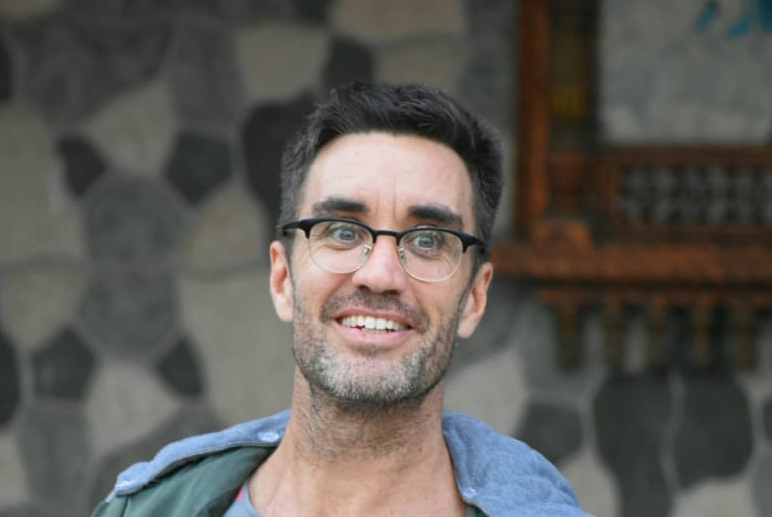
About the teacher
Matthew Sweeney has been practicing Yoga for more than 35 years, and teaching for 30 years. He has developed a number of Vinyasa Sequences – called Vinyasa Krama Mandiram – to suit people of any age and ability. Although this method is movement-based, it is easily applied for students as Yoga-therapy – individual application without losing your adventurous spirit. VKM will enhance your well-being with the prospect of continuing to practice decades into the future with real harmony and joy.
Matthew has also spent the last 30 years practicing different forms of self-inquiry; including Meditation, Gestalt Therapy, Tantra, Transforming Cellular Memory, Buddhism, and Advaita Vedanta. All of these have contributed greatly to his understanding of Yoga and the connection between the body, mind, and Indivisible Self. Matthew is the author of Vinyasa Krama Mandiram, Ashtanga Yoga As It Is, various Yoga DVDs, and many articles on Yoga and consciousness.